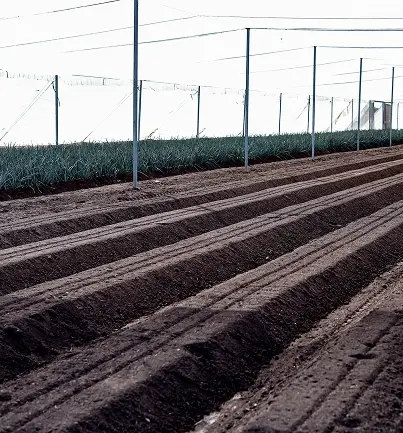
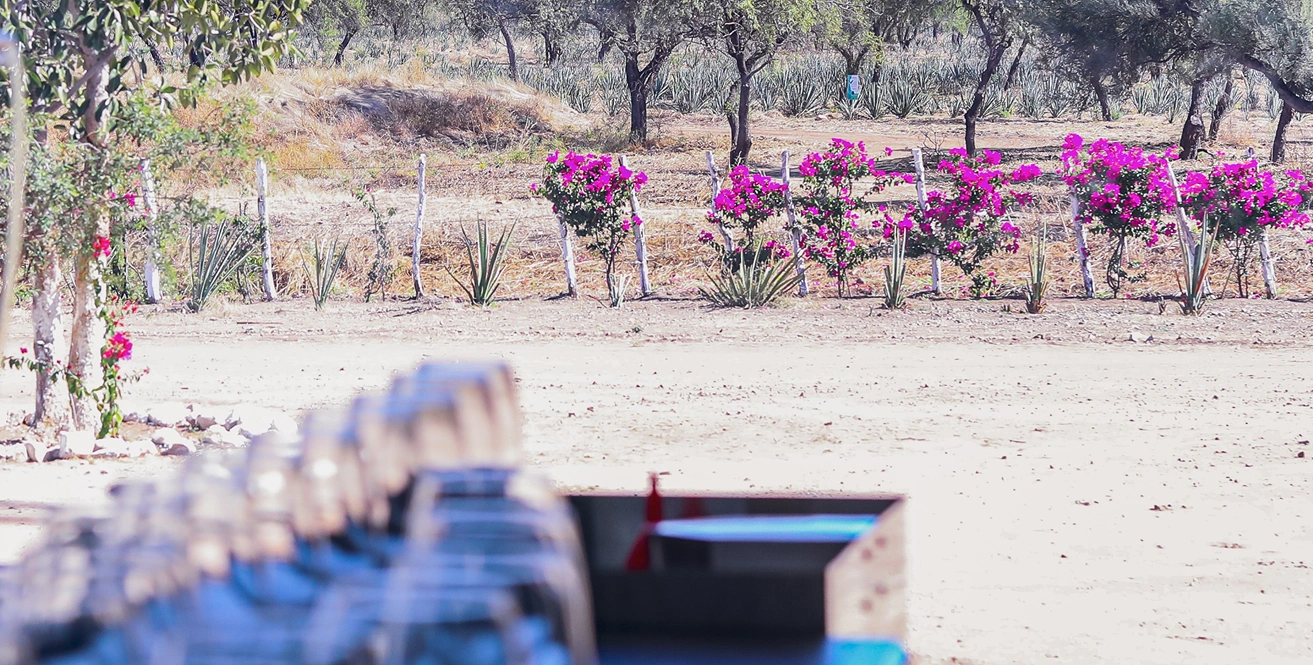
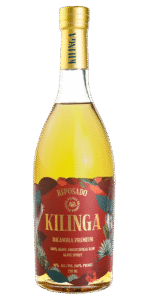
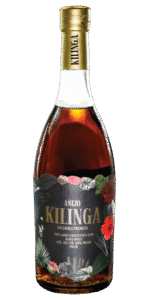
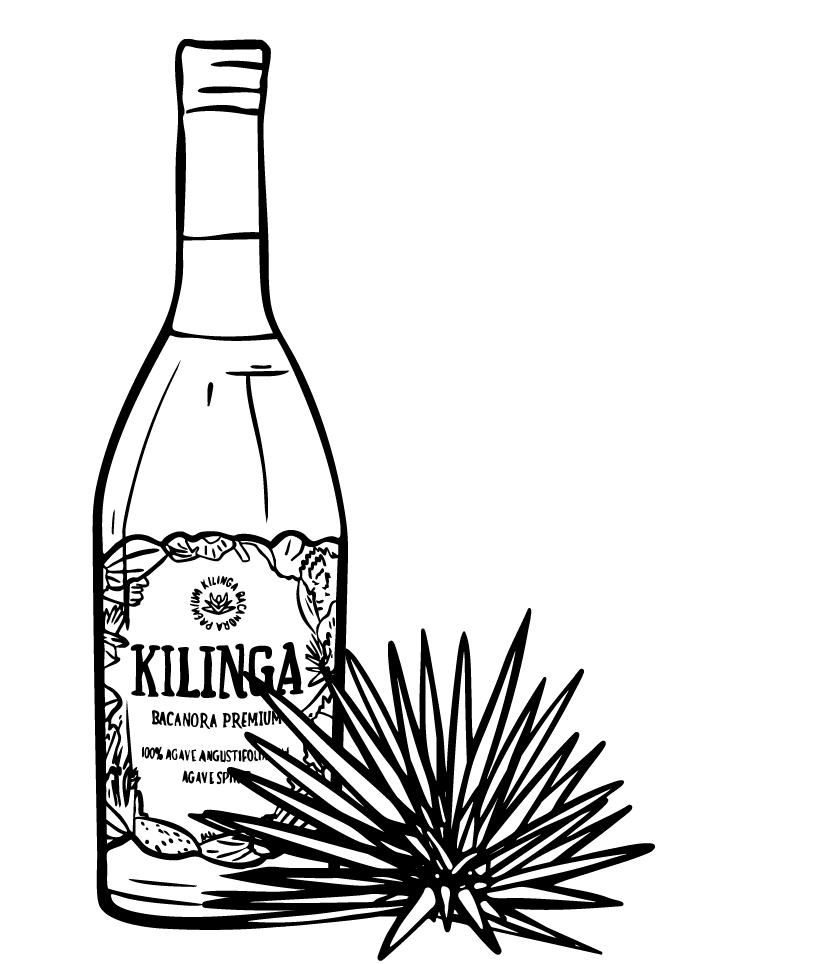
The terroir of Alamos, Sonora, is key to the character of Kilinga Bacanora.
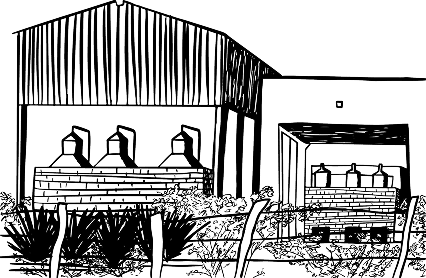
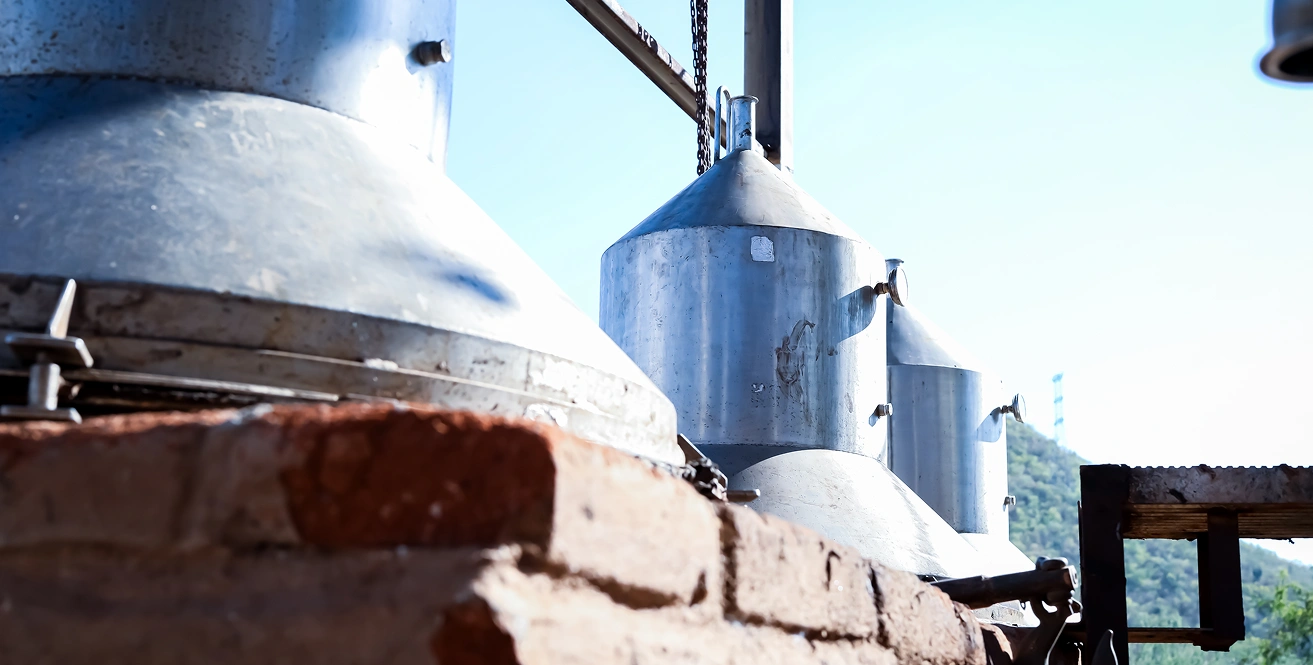
The distillery is set in the desert, between the mountains and the sea. With nothing standing between the ocean, the distillery and the agave fields, the sea air plays a key part in creating the flavors of Kilinga.
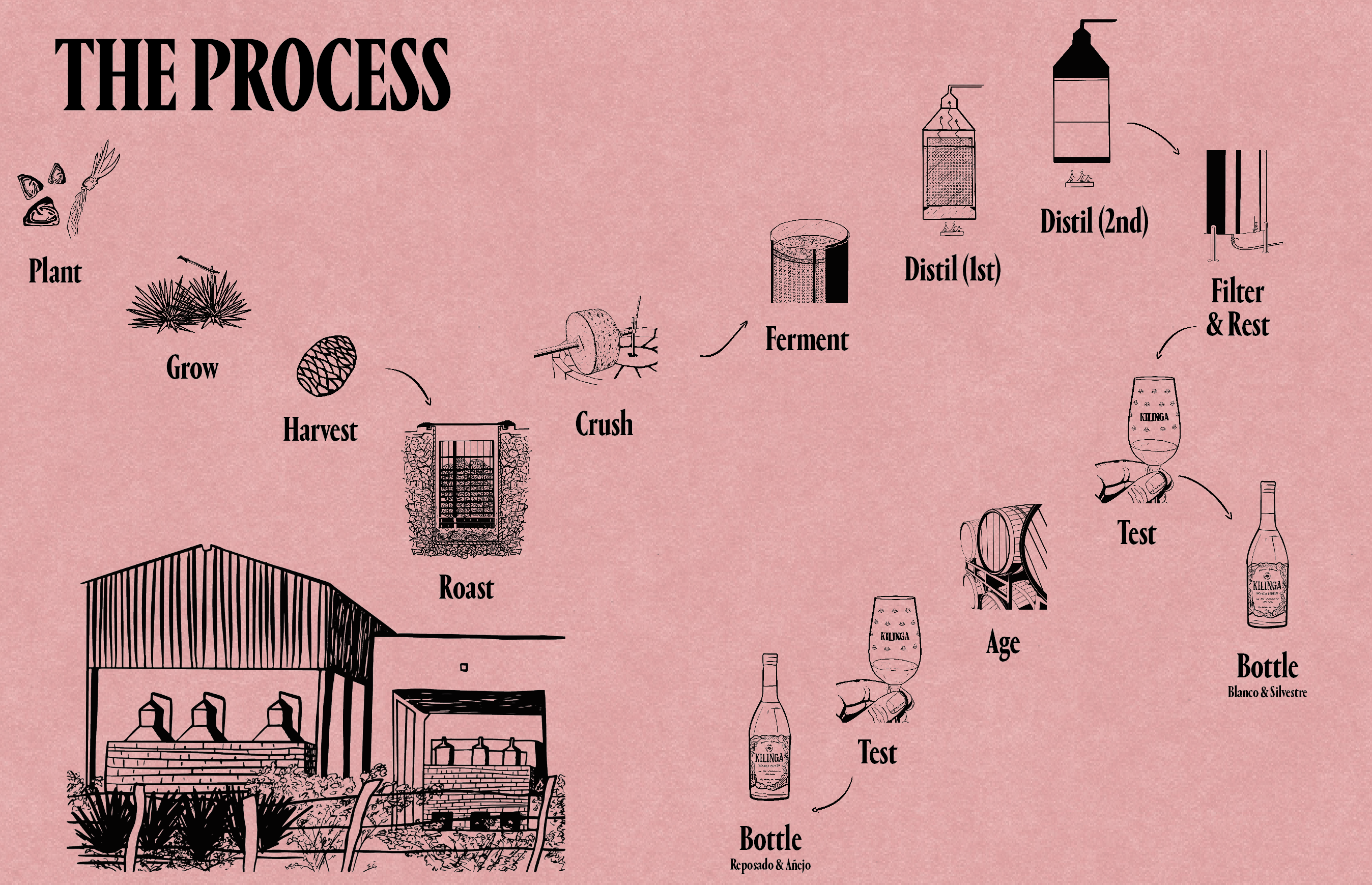
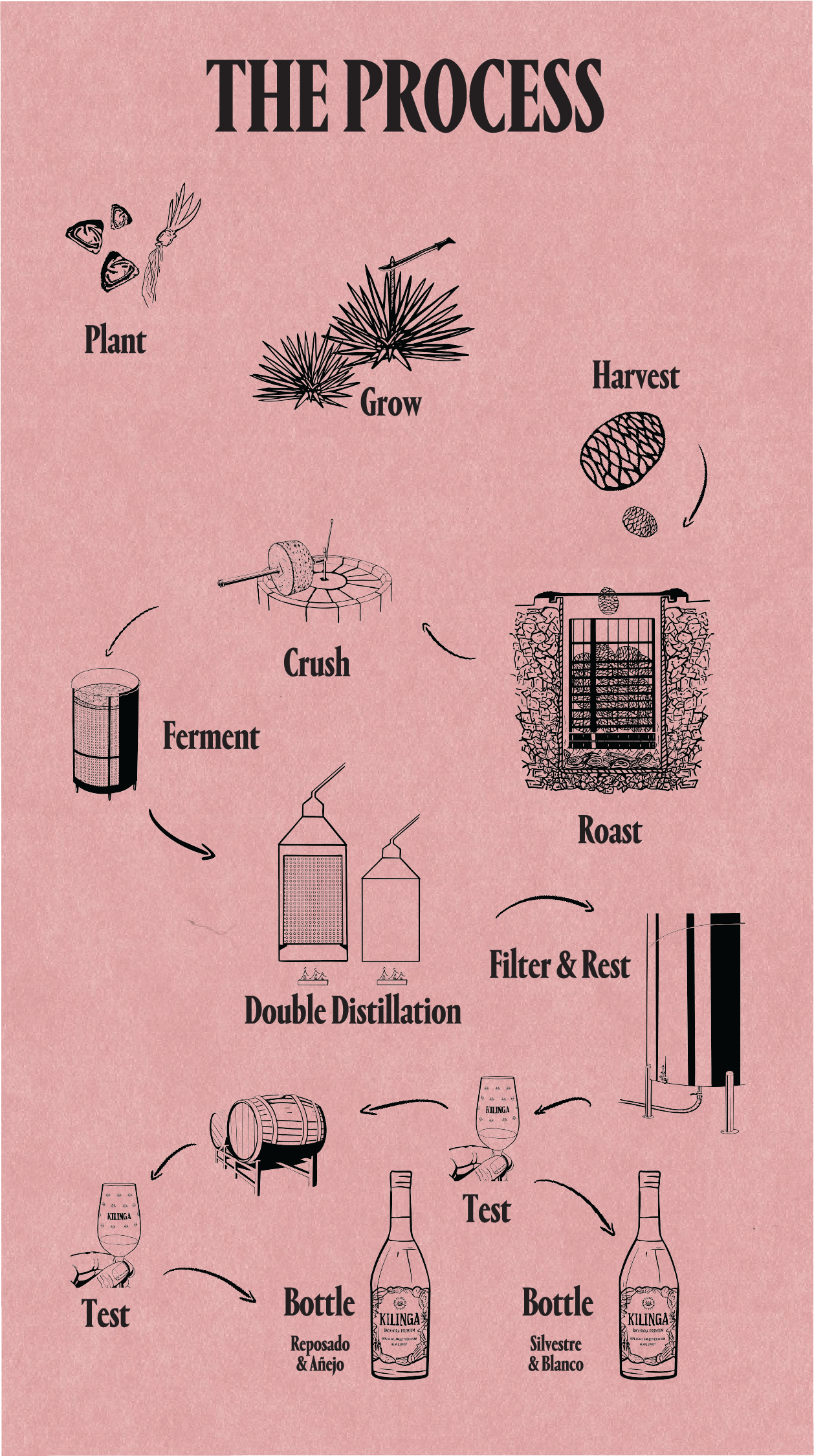
PLANT, GROW, HARVEST
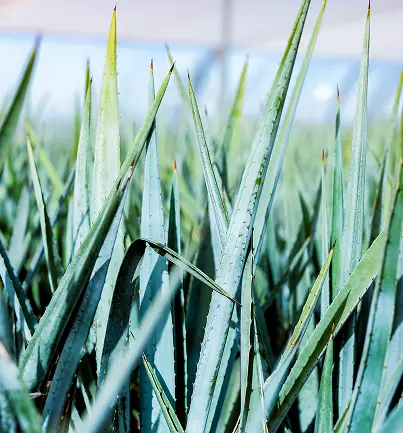
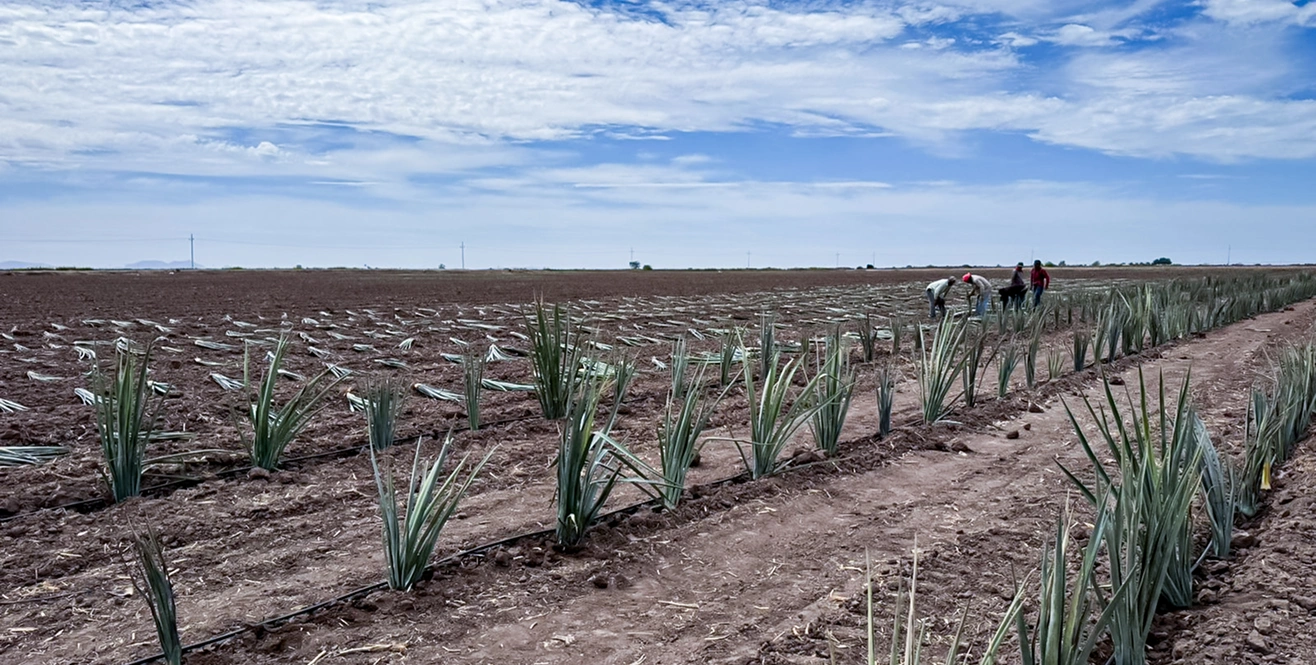
Instead of unsustainably depleting wild agave from the desert, Kilinga has a nursery system where the seeds from the biggest and strongest of the native agave are collected and nurtured, ensuring there will be agave, and Bacanora, for generations to come.
Young agave plants are then moved from the nursery into fields to continue to grow in nature until they are ready for harvest.
ROAST, CRUSH, FERMENT
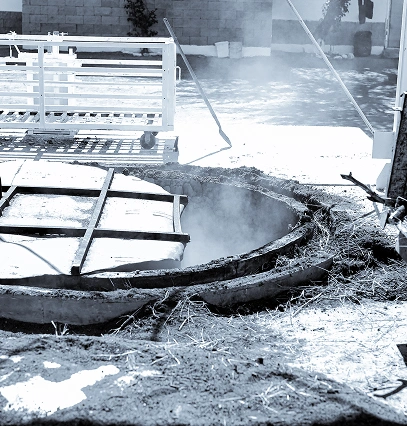
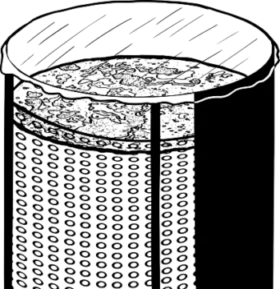
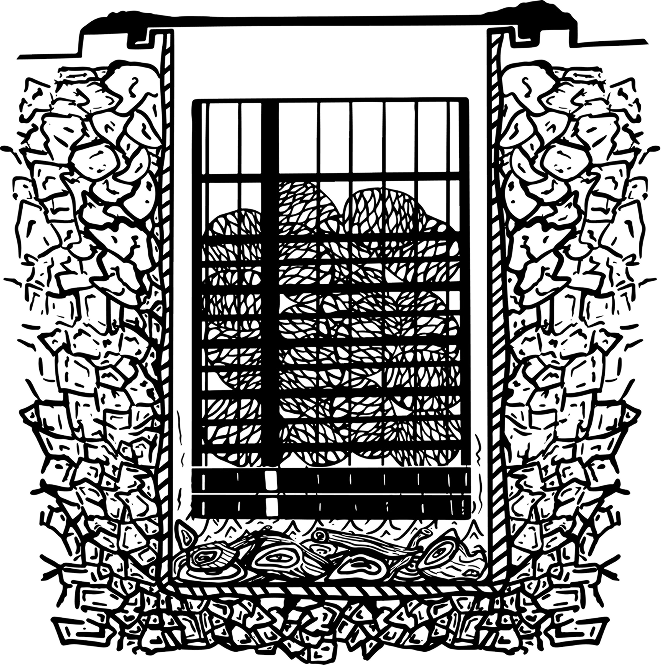
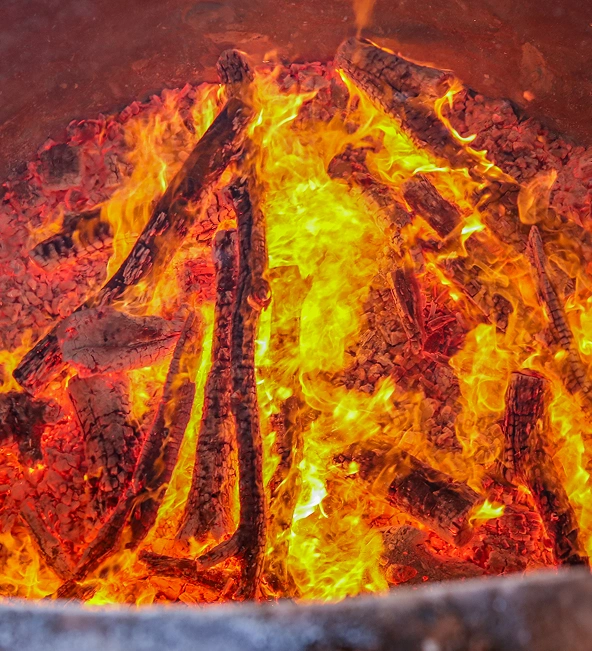
Unique cylindrical clay and volcanic stone ovens, which are built into the ground, are heated by burning mesquite wood. Agave piñas are loaded into a metal cage, that’s then lowered down into the ovens.
The ovens are covered and piñas roasted in the heat of the volcanic rocks for 4-5 days (Kilinga Silvestre) or for 5-6 days at a lower temperature (Kilinga Blanco).
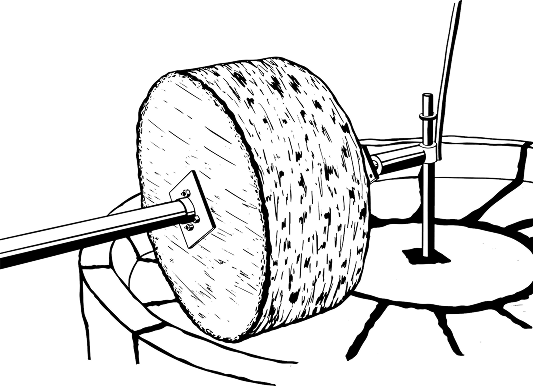
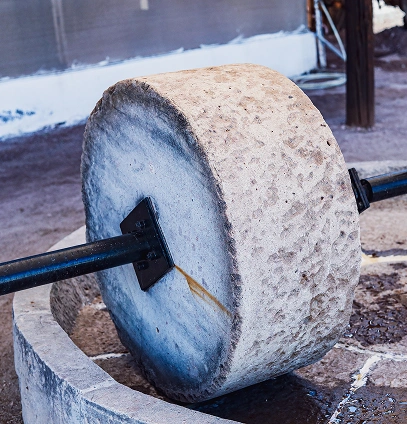
The roasted piñas are crushed and the fibers separated using a traditional Tahona stone
After the Tahona, water is added to the roasted agave fibers, as well as a specific local yeast for a finely controlled fermentation.
The fermentation room is a temperature controlled room to ensure the yeast can survive the fluctuating and hostile Sonoran weather. Fermentation lasts 2 – 3 days.
All the contents of the fermentation are added to steel and copper pot stills. The liquid is added along with the fibers too, for added depth of flavor.
3 SIMPLE INGREDIENTS
AGAVE - WATER - YEAST
*NO ADDITIVES
3 SIMPLE INGREDIENTS
AGAVE - WATER - YEAST
*NO ADDITIVES
DOUBLE DISTILLATION
Kilinga is distilled twice to provide the smoothest, most refined drinking experience.
The middle cut from the first distillation is added to a second set of smaller pot stills and distilled again.
Using clean stills for the second distillation ensures unpleasant waxes and oils are not carried over through the distillation and into the final product to his Bacanora.
FILTER
& REST
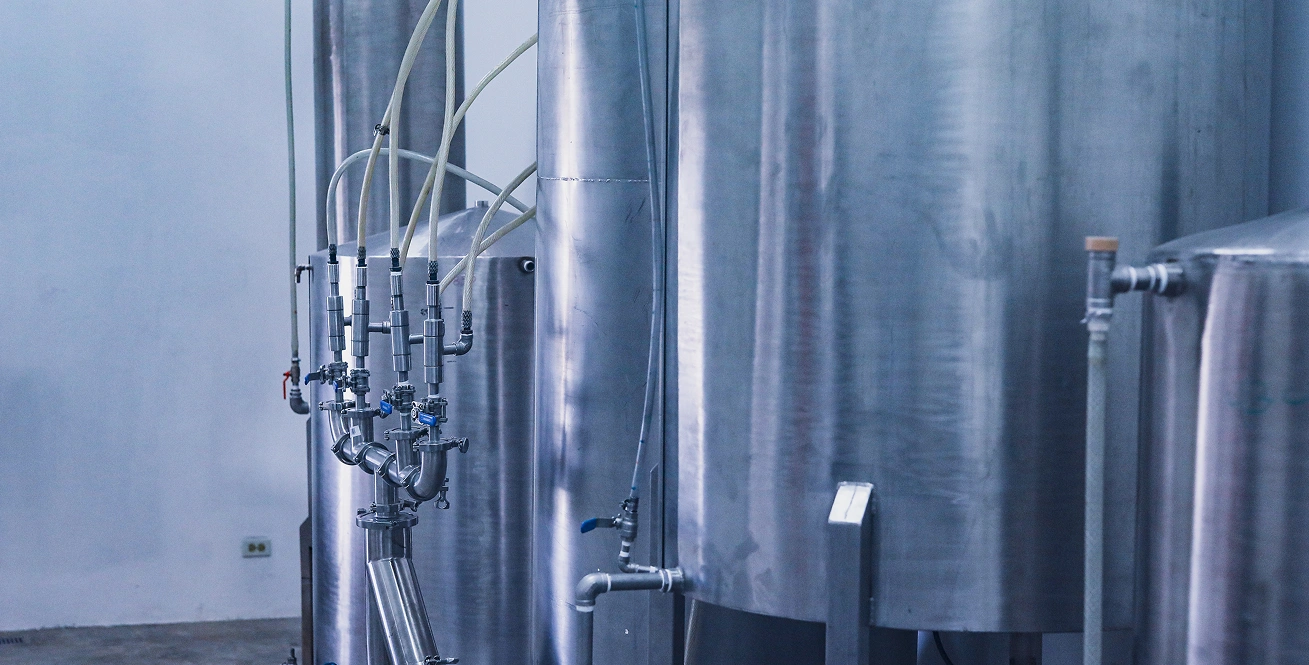
The distillate is treated with aeration, pressure and then passed though gravity fed filtration to remove any final unwanted compounds.
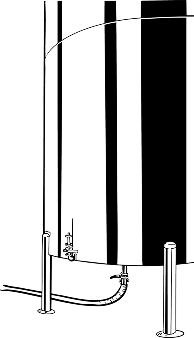
The distillate is brought to proof and pumped into steel vats to rest for at least 6 months to allow all the molecules to rest, mellow and harmonize before bottling.
TESTING
& BOTTLING
When Maestro Rodrigo is happy, he takes samples and sends them for testing before bottling. Testing is done by two important teams:
THE LAB
This means its lab tested for quality and safety by the government body and allows Kilinga to be officially called Bacanora.
THE FAMILY
Rodrigo’s mother (after which Kilinga Bacanora is called) and his three sisters must approve every batch before it’s bottled and sent into the world.